Energy-Efficient Home Improvement Ideas That Reduce Monthly Electricity Costs
Energy costs are rising in many parts of the world, and homeowners are becoming more aware of how much energy their homes actually consume. The good news is that you don’t need a full renovation to cut down your electricity bills. Smart, practical upgrades can significantly improve efficiency while also making your home more comfortable.
Energy-efficient home improvements are not just about saving money—they also reduce environmental impact and increase long-term property value. Here are the most effective ideas that can help reduce monthly electricity costs.
Switch to LED Lighting
One of the simplest and most effective energy upgrades is replacing traditional bulbs with LED lights.
LED bulbs use significantly less electricity and last much longer than incandescent or CFL bulbs. This means lower energy bills and fewer replacements over time.
They also produce less heat, which helps maintain cooler indoor temperatures, especially in warmer climates.
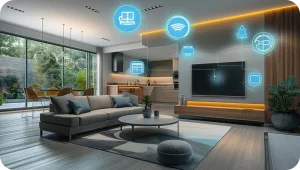
Use Smart Lighting Controls
Smart lighting systems help reduce unnecessary energy usage.
Motion sensors automatically turn lights on and off depending on room activity. This prevents lights from being left on in empty rooms.
Timers and mobile-controlled lighting systems allow homeowners to manage electricity usage more efficiently.
These small upgrades can make a noticeable difference in monthly energy costs.
Improve Home Insulation
Good insulation plays a major role in energy efficiency.
Properly insulated walls, roofs, and floors help maintain indoor temperature for longer periods. This reduces the need for air conditioning or heating systems.
Sealing gaps around doors and windows also prevents air leakage, improving overall efficiency.
A well-insulated home stays comfortable with less energy consumption.
Upgrade to Energy-Efficient Appliances
Old appliances often consume more electricity than modern ones.
Energy-rated refrigerators, washing machines, air conditioners, and dishwashers are designed to use less power while maintaining performance.
Although the initial cost may be higher, these appliances reduce long-term electricity bills significantly.
They are one of the best investments for energy savings.
Install Smart Thermostats
Smart thermostats automatically adjust indoor temperature based on usage patterns.
They reduce energy consumption when you are not at home and ensure comfort when you return.
Some systems even allow remote control through mobile apps.
This prevents unnecessary cooling or heating, which is one of the biggest sources of electricity use in homes.
Use Natural Lighting Effectively
Maximizing natural light reduces the need for artificial lighting during the day.
Large windows, open layouts, and light-colored interiors help brighten spaces naturally.
Sheer curtains allow sunlight to enter while maintaining privacy.
Using daylight efficiently can significantly reduce daytime electricity consumption.
Upgrade Windows and Doors
Old windows and doors often cause energy loss.
Double-glazed or energy-efficient windows help maintain indoor temperature by reducing heat transfer.
Proper sealing around doors prevents air leaks, improving overall energy performance.
These upgrades also reduce noise and improve comfort.
Install Solar Panels
Solar energy is one of the most powerful long-term solutions for reducing electricity costs.
Solar panels generate renewable energy that can power most household needs.
While installation costs can be high initially, long-term savings are substantial.
Many homeowners also benefit from government incentives or net metering systems.
Use Energy Monitoring Systems
Energy monitoring devices help track electricity usage in real time.
They show which appliances consume the most energy, allowing homeowners to adjust usage habits.
Smart plugs and energy meters provide detailed insights into consumption patterns.
Awareness is the first step toward reducing unnecessary energy waste.
Optimize Air Conditioning Usage
Air conditioning is often the largest source of electricity consumption.
Regular maintenance, cleaning filters, and using energy-efficient settings can reduce power usage.
Using ceiling fans along with AC systems helps distribute air more efficiently.
Setting moderate temperatures instead of extreme cooling also saves energy.
Switch to Energy-Efficient Water Heating
Water heaters can consume a large amount of electricity.
Upgrading to energy-efficient models or tankless water heaters reduces energy waste.
Insulating hot water pipes also helps retain heat for longer periods.
Using timers ensures water heaters only run when needed.
Reduce Standby Power Usage
Many appliances continue to consume electricity even when turned off.
This is known as standby power or “phantom load.”
Using smart power strips helps completely cut off power when devices are not in use.
Unplugging unused devices is another simple but effective habit.
Install Solar Water Heating Systems
Solar water heaters use sunlight to heat water instead of electricity.
They are highly efficient in sunny climates and reduce dependency on electric heaters.
Over time, they can significantly lower utility bills.
Choose Energy-Efficient Lighting Design
Proper lighting design also affects energy consumption.
Using task lighting instead of lighting entire rooms can reduce unnecessary usage.
Layered lighting allows better control over brightness levels based on activity.
This improves both comfort and efficiency.
Maintain Electrical Systems Regularly
Faulty wiring or outdated systems can lead to energy loss.
Regular maintenance ensures that electricity is distributed efficiently and safely.
Upgrading old wiring also improves overall performance and reduces risks.
Final Thoughts
Energy-efficient home improvements are among the smartest investments a homeowner can make. They not only reduce monthly electricity bills but also improve comfort, sustainability, and long-term property value.
Simple upgrades like LED lighting, insulation improvements, and smart systems can deliver immediate results. Larger investments like solar panels offer long-term financial benefits.
A truly efficient home is one that balances comfort with responsible energy use, making daily living both affordable and sustainable.