Health and Safety Practices Strengthening Workplace Protection and Employee Wellbeing
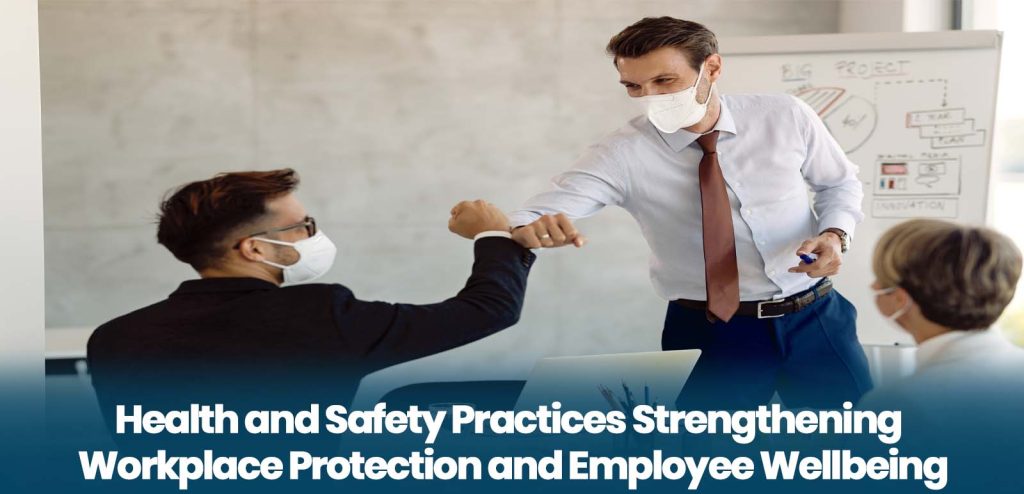
Safety is the heartbeat of every thriving workplace, shaping trust, productivity, and well-being.
Organizations that prioritize Health and Safety Practices create environments where employees feel valued and protected. These practices not only involve compliance but are also fundamental cultural practices that help avoid risks, build high morale, and increase efficiency. Incorporating safety into everyday activities enables organizations to become resilient and ensures that well-being remains an essential part of organizational success.
Psychological Safety in Teams
Psychological safety is an essential element of the work environment that helps employees freely exchange their thoughts, voice out any problems they may have, and even make mistakes without being penalized for their actions.
Leaders play an important role in creating such an environment by promoting dialogue and handling conflicts within the team effectively. This way, employees stay engaged and motivated in their work.
Importance of Workplace Safety
Organizational safety is very important for enhancing trust within the organization. If employees feel that their safety is taken into consideration, they were much more productive in performing their duties.
A strong safety culture also enhances reputation, attracting talent and retaining skilled workers. In academic contexts, professionals often seek assignment help to understand how safety frameworks apply across industries, reinforcing both theoretical and practical knowledge.
Building a Safety Culture
The safety culture emerges if protective measures are embedded into the daily activities of organizations. Good communication and proper training, along with leadership’s dedication, ensure that the safety issue is never treated as an afterthought. When employees are notified about dangers, it leads to a positive atmosphere.
Such a collective approach builds trust among people and reduces threats. The safety culture cannot develop rapidly; it needs time to be implemented and reinforced.
Balancing Work and Wellbeing
The balance between professional duties and personal wellness is crucial for sustained productivity. Workplaces that foster flexible working hours, encourage rest, and implement wellness programs offer more conducive surroundings. Regular inspections, hazard identification, and employee feedback ensure that Health and Safety Practices are not just written policies but living systems.
Not only does it improve individual performance, but it also boosts organizational effectiveness. Organizations that value wellness, alongside professional activities, send a positive message to their employees.
Training and Awareness
Training is essential for equipping employees with the information needed to handle risks appropriately. Training, simulation, and refreshers ensure that safety practices remain up to date and practicable.
Raising awareness fosters an understanding that safety is key and emphasizes the need for employees to be in control of their own safety. By creating training opportunities, companies can achieve accident-free status, and employees become confident in the processes and procedures that support the company’s safety.
Practical Applications of Health and Safety Practices
The middle of every workplace strategy lies in consistent monitoring and evaluation. These applications include ergonomic adjustments, protective equipment, and mental health support. Students and professionals exploring this field often benefit from Health and safety assignment help, which provides structured guidance on applying these concepts to real-world scenarios.
Risk Assessment and Prevention
The process of risk assessment is fundamental to workplace safety. The early detection of risks ensures that accidents can be prevented, and workers are safeguarded from danger. Safety audits, hazard mapping, and emergency drills are preventive practices.
Companies that focus on prevention avoid spending money on potential injuries and lost time due to accidents. Workers feel safe since risks were managed in advance. Prevention applies not just to physical safety but to psychological safety as well.
Employee Engagement in Safety
Engaged employees make the best advocates of occupational safety. When employees participate in safety committee meetings, provide input, and generate new ideas, they help organizations become more resilient.
Employee engagement helps foster accountability and, in this way, ensures that safety is not only the duty of management but of everyone. When employees feel their voice is being heard, they tend to follow safety rules and motivate others to do the same.
Technology and Safety
Technology plays a revolutionary role in safety procedures in current times. There is wearable technology used to check the health signs of people, whereas there are AI technologies that make predictions using the data collected. It facilitates the reporting process, making hazard detection more effective.
Using technology, companies increase efficiency and accuracy. Employees receive real-time warnings and information to keep up with environmental changes.
Employee Wellbeing and Efficiency
The measures taken to ensure safety directly affect how well-being is promoted. If employees feel safe at work, stress levels go down while productivity goes up.
For learners balancing multiple tasks, services like write my assignment often provide relief, allowing them to focus on understanding how safety practices improve efficiency. Wellbeing initiatives demonstrate that organizations value employees beyond their output, fostering loyalty and long-term commitment.
Legal Compliance and Standards
Compliance with legal standards is imperative for any organization. Laws and regulations help provide a workplace that at least meets the necessary safety requirements to protect staff from liability. Compliance with standards demonstrates an organization’s responsibility to its stakeholders.
The failure to comply with legal standards may lead to fines and even reputation loss; besides, this may cause the dissatisfaction of the employees. Compliance with legal standards helps organizations to build their credibility and avoid risks.
Continuous Improvement
Safety changes with the changing dynamics of the workplace. It ensures that the safety measures employed are always effective and adaptive. Feedback mechanisms, performance evaluations, and revised training programs ensure that the safety measures are relevant to the current situation.
Companies that adopt the improvement process demonstrate flexibility and concern for their employees. This creates a sense of innovation and eliminates complacency. Employees benefit from improved safety measures that address current challenges.
Conclusion
A workplace without safety is a workplace without trust. Ultimately, strong Health and Safety Practices protect employees, strengthen organizational resilience, and foster long-term wellbeing. In ensuring safety, organizations ensure compliance and create an environment where people flourish. It is not just about being safe; it is about creating an environment that shows care, concern, and respect.