Tortellinatrice: Revolutionizing the Art of Pasta Making
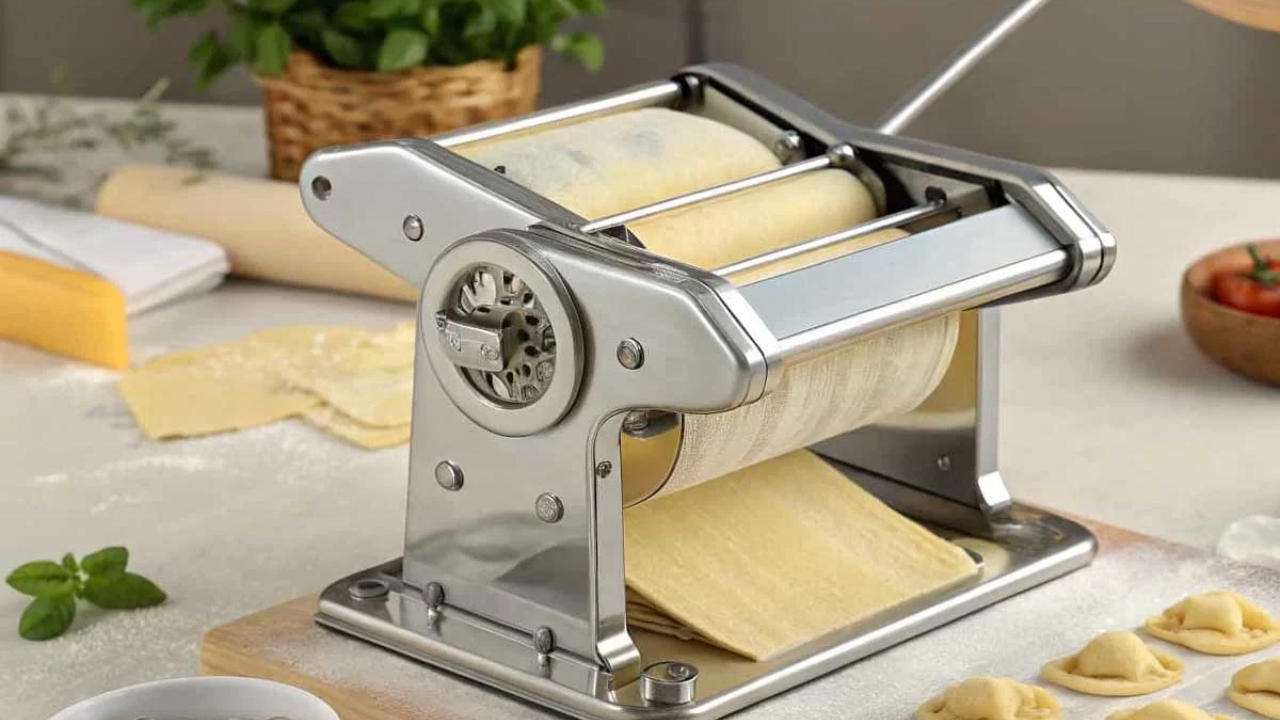
If you’ve ever wondered how those perfectly shaped tortellini you see in restaurants are made, the secret often lies in a tool called the Tortellinatrice. This clever machine has transformed the way chefs approach pasta-making, making it faster, more precise, and endlessly versatile. Whether you’re a professional chef, a home cook, or simply a pasta enthusiast, understanding the Tortellinatrice opens a window into the modern evolution of Italian cuisine.
What is a Tortellinatrice?
The Tortellinatrice is essentially a pasta machine designed specifically to create tortellini and other filled pasta varieties. Unlike traditional methods, which require painstaking hand folding, this machine automates the process, ensuring consistent size, shape, and seal. It’s not just about speed—it’s about precision. With a Tortellinatrice, each tortellini comes out perfectly shaped, reducing waste and making it easier to experiment with new fillings.
History and Evolution
The story of the Tortellinatrice is closely tied to the evolution of pasta-making technology. For centuries, pasta was handcrafted, with families passing down techniques to fold and fill tortellini by hand. While these methods remain cherished, they were labor-intensive and time-consuming.
The first mechanical Tortellinatrice appeared in the late 20th century, aimed at restaurants and pasta factories. Early models focused on efficiency, producing hundreds of tortellini per hour. Over time, the machines evolved to accommodate artisanal quality, balancing speed with the delicate touch that traditional pasta requires. Today’s Tortellinatrici combine stainless steel construction, precise filling control, and customizable molds, allowing chefs to maintain authenticity while embracing innovation.
How It Works
At its core, the Tortellinatrice works in three main steps:
- Dough Sheet Feeding: The machine flattens fresh pasta dough to a uniform thickness. This step is critical because even minor differences in thickness can affect cooking time and texture.
- Filling Dispensing: The filling—be it cheese, meat, vegetables, or a creative fusion—is measured and placed onto the dough at precise intervals. This ensures each tortellini has the perfect balance of pasta and filling.
- Shaping and Sealing: Using a combination of rollers and molds, the machine folds, pinches, and shapes the dough into traditional tortellini or other desired forms. The seal is tight, preventing leaks during cooking.
Some advanced models even allow customization of shapes beyond tortellini, like ravioli, agnolotti, and cappelletti.
Types of Tortellinatrici
Tortellinatrici come in various forms, depending on your needs:
- Manual Tortellinatrice: These are smaller machines that still require some hand operation. Ideal for home cooks or small artisanal kitchens, they balance tradition and convenience.
- Semi-Automatic Tortellinatrice: Perfect for medium-scale operations, these machines automate the shaping and sealing process but may still require manual dough feeding.
- Fully Automatic Tortellinatrice: These are the heavy-duty workhorses used in factories or large restaurants. They handle dough, filling, shaping, and cutting at high speed, producing thousands of tortellini per hour.
Benefits of Using a Tortellinatrice
Consistency
One of the biggest advantages is consistency. Hand-folded tortellini can vary in size and filling distribution. A Tortellinatrice guarantees uniformity, ensuring every piece cooks evenly and looks beautiful on the plate.
Efficiency
For chefs managing busy kitchens, speed is essential. A Tortellinatrice dramatically reduces production time, freeing up staff to focus on other aspects of the meal.
Creativity
Modern machines support a variety of fillings and shapes, encouraging experimentation. We can now create tortellini with unexpected ingredients like truffle, pumpkin, or seafood mixtures without worrying about the structural integrity of the pasta.
Hygiene
Commercial Tortellinatrici are made with stainless steel and other food-safe materials, making them easier to clean and maintain compared to hand production.
Filling Innovations
While traditional tortellini often feature combinations like ricotta and spinach or prosciutto and cheese, the Tortellinatrice has opened doors to new culinary experiments. Sweet tortellini, vegan fillings, and globally inspired flavors are now achievable at scale. Imagine tortellini filled with butternut squash, cashew cheese, or even chocolate for dessert—machines make these creative ideas feasible without compromising quality.
Impact on Culinary Businesses
Restaurants, catering services, and pasta factories have embraced the Tortellinatrice not just for efficiency but also as a marketing tool. Offering perfectly uniform, artisan-style tortellini enhances customer perception and elevates the dining experience. We’ve seen small businesses increase production capacity without hiring extra staff, while large-scale operations can maintain high-quality standards across thousands of servings.
Home Kitchens and Hobbyists
Tortellinatrici are no longer exclusive to professional kitchens. Compact, user-friendly models are now available for home use. Aspiring chefs and pasta enthusiasts can enjoy the satisfaction of homemade tortellini without the daunting hand-folding process. Cooking at home becomes less about labor and more about experimentation and enjoyment.
Cleaning and Maintenance
Maintaining a Tortellinatrice is straightforward but crucial for longevity. Most machines feature removable parts, allowing thorough cleaning after each use. We recommend regular inspection of rollers and molds to prevent dough residue build-up. A well-maintained machine can last for decades, making it a worthwhile investment for any pasta lover.
Tips for Perfect Tortellini
Even with a Tortellinatrice, there are a few tricks to get the best results:
- Use fresh, high-quality dough. The machine works best with elastic, moist pasta.
- Avoid overfilling; too much filling can cause leaks or uneven cooking.
- Keep the dough at a consistent thickness to ensure uniform cooking.
- Experiment with dusting flour or semolina to prevent sticking during shaping.
Combining Tradition with Technology
What’s fascinating about the Tortellinatrice is that it doesn’t replace tradition—it complements it. Chefs can retain classic techniques and regional flavors while benefiting from modern precision. It’s a perfect example of culinary evolution, where innovation supports, rather than diminishes, heritage.
Tortellinatrice in Popular Culture
While it might seem niche, the Tortellinatrice has made appearances in culinary shows, cooking competitions, and even social media trends. Videos of perfectly shaped tortellini emerging from the machine often go viral, showing both the magic of technology and the beauty of pasta-making.
Future of the Tortellinatrice
Looking ahead, we can expect even smarter machines. AI-assisted Tortellinatrici may adjust dough thickness, filling quantity, and folding speed in real time for perfect results. Sustainability may also be a focus, with machines designed to reduce waste, use less energy, and work with alternative flours like chickpea or quinoa.
Conclusion
The Tortellinatrice represents more than just a machine—it’s a bridge between tradition and innovation. By making pasta-making faster, more consistent, and more versatile, it allows chefs, home cooks, and culinary businesses to explore creativity without sacrificing quality. Whether you’re shaping a classic ricotta-filled tortellino or experimenting with bold new flavors, the Tortellinatrice is a game-changer that celebrates the joy of pasta in every bite.
It reminds us that the heart of Italian cuisine—care, craftsmanship, and love for food—can thrive even in the age of technology. Embracing this tool doesn’t mean leaving tradition behind; it means elevating it to meet the demands of modern kitchens and adventurous palates.
Keep an eye for more latest news & updates on Newztalkies!