Wood Furniture vs Metal Furniture for Modern Homes
Choosing furniture is one of the most exciting parts of decorating or renovating a home. The right pieces not only improve the look of your space but also add comfort, functionality, and long-term value. Among the many options available today, wood furniture and metal furniture remain two of the most popular choices for modern homes.
Both materials have unique advantages and potential drawbacks. While wooden furniture is known for its warmth and timeless appeal, metal furniture stands out for its durability and sleek, contemporary style. The best choice depends on your lifestyle, budget, interior design preferences, and how you plan to use the furniture.
If you’re trying to decide between wood and metal furniture, this guide compares both materials in detail to help you make an informed decision.
Why Furniture Material Matters
Furniture is more than just decoration. It affects the comfort, appearance, maintenance, and durability of your living space. Whether you’re buying a dining table, bed frame, office desk, or bookshelf, the material you choose can influence how long the furniture lasts and how well it fits your home.
Before making a purchase, consider factors such as:
- Durability
- Maintenance requirements
- Style preferences
- Budget
- Room usage
- Family needs
- Climate
- Long-term value
Understanding these factors will help you choose furniture that suits your daily life rather than simply following current trends.
What Is Wood Furniture?
Wood furniture is made from natural timber or engineered wood products. It has been a popular choice for centuries because of its beauty, strength, and versatility.
Common types include:
- Solid hardwood
- Softwood
- Plywood
- MDF (Medium-Density Fiberboard)
- Engineered wood
Each type offers different levels of durability, appearance, and cost.
What Is Metal Furniture?
Metal furniture is made from materials such as steel, aluminum, wrought iron, or stainless steel. It is commonly used in modern, industrial, minimalist, and contemporary interiors.
Metal is often combined with wood, glass, or upholstered materials to create stylish and functional furniture.
Common metal furniture includes:
- Bed frames
- Dining chairs
- Office desks
- Shelving units
- Coffee tables
- Outdoor furniture
Its clean lines and modern appearance make it a favorite for many homeowners.
Appearance and Style
One of the biggest differences between wood and metal furniture is the overall look they bring to a room.
Wood Furniture
Wood creates a warm, inviting atmosphere. Natural grain patterns make every piece unique, adding character and elegance to your home.
Wood works beautifully with styles such as:
- Traditional
- Farmhouse
- Scandinavian
- Rustic
- Transitional
- Classic
- Modern organic
Its timeless appearance means it rarely goes out of fashion.
Metal Furniture
Metal offers a cleaner and more contemporary look.
It fits well with:
- Industrial interiors
- Minimalist homes
- Urban apartments
- Modern décor
- Loft-style spaces
Metal furniture often features simple lines and sleek finishes, making rooms appear more open and uncluttered.
Durability Comparison
Durability is one of the most important considerations when buying furniture.
Wood Furniture
High-quality solid wood furniture can last for decades or even generations when properly cared for.
Advantages include:
- Strong construction
- Long lifespan
- Easy to repair
- Can be refinished multiple times
However, wood may develop scratches, dents, or warping if exposed to excessive moisture or direct sunlight.
Metal Furniture
Metal is extremely durable and resistant to everyday wear.
Benefits include:
- High strength
- Excellent structural support
- Resistant to pests
- Less likely to crack
However, some metals may rust if protective coatings become damaged, especially in humid environments.
Maintenance Requirements
Different materials require different levels of care.
Caring for Wood Furniture
Wood furniture typically needs:
- Regular dusting
- Occasional polishing
- Protection from moisture
- Avoiding prolonged sunlight exposure
- Immediate cleanup of spills
Proper care helps preserve the finish and prevents cracking or fading.
Caring for Metal Furniture
Metal furniture is generally easier to maintain.
Basic care includes:
- Wiping with a damp cloth
- Removing dust regularly
- Checking for loose screws
- Preventing scratches on painted finishes
Outdoor metal furniture may occasionally require rust protection depending on the material.
Comfort
Comfort often depends on how furniture is designed rather than the material itself.
Wood furniture often feels warmer and more natural, especially for dining tables, chairs, and bedroom furniture.
Metal furniture can feel cooler to the touch, particularly during colder months. Many metal chairs and bed frames include cushions or upholstered sections to improve comfort.
Weight and Portability
Wood Furniture
Solid wood furniture tends to be heavy.
Advantages:
- Stable
- Strong
- Less likely to move accidentally
Disadvantages:
- Difficult to relocate
- Harder to transport during moves
Metal Furniture
Metal furniture varies depending on the material.
Aluminum is lightweight and easy to move.
Steel furniture is heavier but still often lighter than comparable solid wood pieces.
For people who move frequently, lightweight metal furniture can be more convenient.
Moisture Resistance
Humidity affects furniture differently.
Wood naturally expands and contracts as moisture levels change.
In humid environments, wood may:
- Warp
- Swell
- Crack over time
Metal furniture generally performs better in humid areas, although untreated steel can rust if exposed to moisture.
Stainless steel and aluminum offer excellent resistance to corrosion.
Cost Comparison
Price often depends on quality, craftsmanship, and brand.
Wood Furniture
Entry-level engineered wood furniture is affordable.
Solid hardwood furniture usually costs more because of:
- Natural materials
- Skilled craftsmanship
- Longer lifespan
Although the initial investment is higher, quality wood furniture often provides better long-term value.
Metal Furniture
Metal furniture ranges from budget-friendly to premium.
Simple steel furniture is often affordable, while designer stainless steel or wrought iron pieces can be significantly more expensive.
Eco-Friendliness
Many homeowners consider sustainability when buying furniture.
Wood can be environmentally friendly if sourced from responsibly managed forests or made from reclaimed timber.
Metal is highly recyclable and can often be reused multiple times without losing its strength.
Choosing durable furniture that lasts many years is one of the most sustainable decisions regardless of material.
Best Rooms for Wood Furniture
Wood furniture is an excellent choice for:
- Living rooms
- Bedrooms
- Dining rooms
- Home libraries
- Family rooms
Its natural appearance creates a welcoming atmosphere that suits many interior styles.
Best Rooms for Metal Furniture
Metal furniture works particularly well in:
- Home offices
- Kitchens
- Outdoor patios
- Modern apartments
- Industrial-style homes
- Garages
Its sleek appearance complements contemporary interiors.
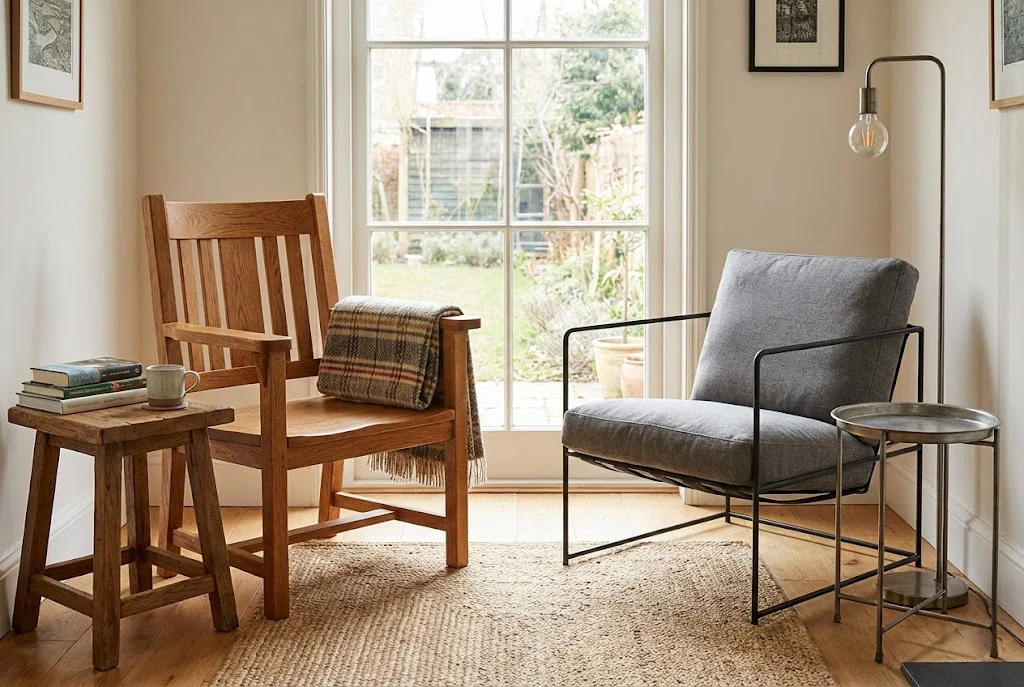
Can You Combine Wood and Metal?
Absolutely.
Many of today’s most popular furniture designs combine both materials.
Examples include:
- Wooden tabletops with metal legs
- Metal bed frames with wooden headboards
- Industrial bookshelves
- Dining tables with steel bases
- Coffee tables featuring wood and iron
This combination blends the warmth of wood with the strength and modern appeal of metal.
Which Material Lasts Longer?
Both materials can last for many years when properly maintained.
Solid hardwood furniture often lasts several decades and can even become family heirlooms.
High-quality metal furniture also offers exceptional longevity, especially when protected from corrosion.
Rather than focusing solely on the material, pay attention to build quality, hardware, joints, and craftsmanship.
Common Buying Mistakes
Avoid these common mistakes when shopping for furniture:
- Choosing style over durability
- Ignoring room size
- Buying low-quality materials
- Forgetting maintenance requirements
- Overlooking weight capacity
- Selecting furniture that doesn’t match your lifestyle
- Ignoring warranty information
Taking the time to compare options helps ensure you make a purchase you’ll be happy with for years.
Frequently Asked Questions
Is wood furniture stronger than metal furniture?
Solid hardwood is extremely strong, but many metal frames provide greater structural strength. The better option depends on the specific furniture piece and its intended use.
Which furniture is easier to maintain?
Metal furniture generally requires less maintenance. Wood furniture needs occasional polishing and protection from moisture to preserve its appearance.
Which is better for small apartments?
Metal furniture often works well in smaller spaces because of its sleek, lightweight design. However, compact wooden furniture can also be an excellent choice depending on your décor.
Does wood furniture last longer?
High-quality solid wood furniture can last for generations with proper care. Metal furniture also offers excellent durability, particularly when made from stainless steel or powder-coated steel.
Can wood and metal furniture be used together?
Yes. Combining wood and metal creates a balanced look that suits modern, industrial, rustic, and contemporary interiors.
Final Thoughts
Both wood furniture and metal furniture have their own strengths, making neither option universally better than the other. Wood offers timeless beauty, natural warmth, and long-lasting value, while metal provides modern style, exceptional durability, and low maintenance.
If you prefer a cozy, classic home with furniture that ages beautifully, wood is an excellent investment. If you like clean lines, minimalist design, and easy upkeep, metal furniture may be the better fit. Many homeowners find that combining both materials delivers the perfect balance of style, strength, and functionality.
Ultimately, the best furniture is the one that fits your space, complements your lifestyle, and meets your everyday needs. By considering durability, maintenance, comfort, budget, and design preferences, you can confidently choose furniture that enhances your modern home for years to come.