Winter-Proofing Your Home: Essential Improvement Tips
As winter approaches, preparing your home for colder temperatures becomes one of the smartest investments you can make. Winter-proofing not only keeps your home warm and comfortable but also protects it from costly damage caused by snow, ice, and freezing weather. With the right improvements, you can reduce energy bills, improve safety, and increase your home’s efficiency throughout the season.
Here are some practical and effective winter-proofing tips every homeowner should consider.
Seal Drafts and Air Leaks
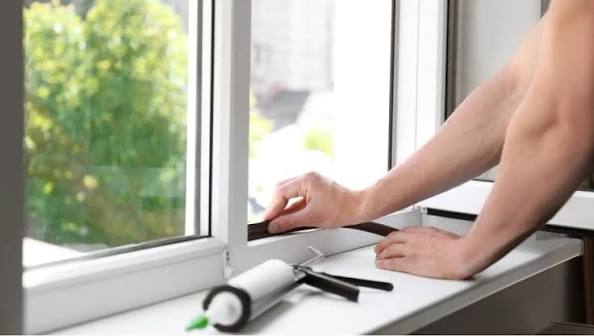
One of the biggest causes of heat loss during winter is air leakage. Small gaps around windows, doors, and vents allow warm air to escape and cold air to enter.
Inspect your home for drafts by checking:
- Window frames
- Door edges
- Electrical outlets
- Attic openings
- Basement cracks
Use weatherstripping, caulk, or spray foam insulation to seal these gaps. This simple upgrade can significantly improve indoor comfort and lower heating costs.
Upgrade Your Insulation
Proper insulation is key to keeping heat inside your home. If your home lacks enough insulation, your heating system will work harder, increasing energy use.
Focus on insulating:
- Attics
- Walls
- Crawl spaces
- Basements
- Pipes
Adding insulation to your attic is one of the most cost-effective winter improvements. It helps maintain consistent indoor temperatures and prevents heat from escaping through the roof.
Protect Your Pipes from Freezing
Frozen pipes can burst and cause expensive water damage. Taking preventive steps can save you from major repairs.
To protect pipes:
- Wrap exposed pipes with foam insulation
- Seal gaps near plumbing
- Keep cabinets open to allow warm air circulation
- Disconnect outdoor hoses
- Shut off outdoor water valves
These steps help reduce the risk of frozen plumbing during extreme cold.
Check Your Heating System
Before winter arrives, inspect your heating system to ensure it is working properly. A well-maintained system keeps your home warm and runs more efficiently.
Important tasks include:
- Replacing air filters
- Cleaning vents and ducts
- Testing the thermostat
- Scheduling professional maintenance
- Checking for unusual noises
Regular maintenance can extend the life of your furnace and improve indoor air quality.
Upgrade Windows for Better Efficiency
Old windows can be a major source of heat loss. If replacing them is not in your budget, there are still affordable ways to improve their performance.
Consider:
- Installing thermal curtains
- Applying window insulation film
- Using draft stoppers
- Adding storm windows
Energy-efficient windows can make a noticeable difference in warmth and monthly utility costs.
Clean Gutters and Downspouts
Blocked gutters can cause ice dams, which may lead to roof leaks and water damage. Cleaning them before winter helps water flow properly.
Remove:
- Leaves
- Dirt
- Debris
- Twigs
Make sure downspouts direct water away from your foundation to prevent freezing and structural issues.
Inspect Your Roof
Your roof is your first line of defense against winter weather. Even small problems can become serious during snow or ice storms.
Look for:
- Missing shingles
- Cracks
- Leaks
- Weak spots
- Damaged flashing
Repairing roof issues early can prevent expensive emergency fixes later.
Improve Outdoor Safety
Winter conditions can make outdoor areas slippery and dangerous. Preparing walkways and entry points helps protect your family and visitors.
Helpful improvements include:
- Installing better outdoor lighting
- Adding non-slip mats
- Repairing uneven pathways
- Storing snow shovels and salt nearby
Safety upgrades make winter conditions easier to manage.
Reverse Ceiling Fans
Many homeowners overlook this easy trick. Reversing your ceiling fan to spin clockwise at a low speed pushes warm air down from the ceiling, helping rooms stay warmer.
This small adjustment can improve heating efficiency without extra cost.
Test Smoke and Carbon Monoxide Detectors
Winter often means increased use of fireplaces, heaters, and furnaces, which can raise fire and carbon monoxide risks.
Make sure to:
- Replace batteries
- Test alarms
- Install extra detectors if needed
This is one of the most important safety checks for the season.
Final Thoughts
Winter-proofing your home is not just about staying warm—it’s about protecting your property, reducing energy waste, and avoiding costly repairs. By sealing drafts, improving insulation, maintaining your heating system, and preparing your exterior, you can enjoy a safer and more comfortable winter season.
Start these improvements before temperatures drop, and your home will be ready to handle whatever winter brings.